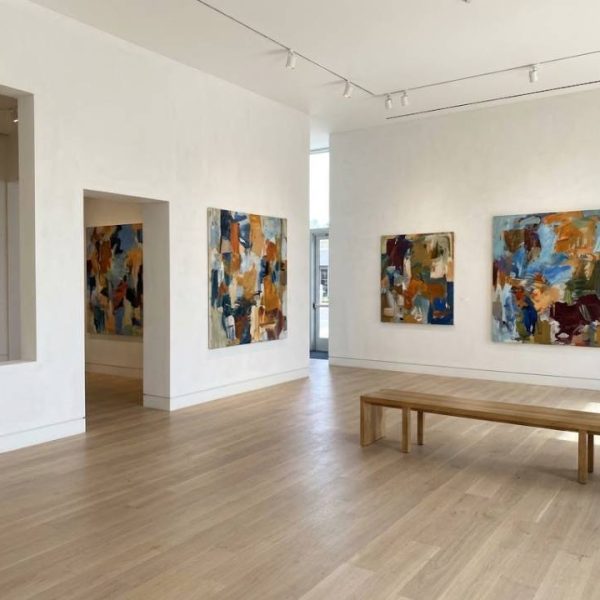
Contemporary art moves fast, and the most exciting names are often unknown to the public at first. Finding them takes curiosity and a few smart habits. This guide shares simple ways to discover new artists, support them and build a collection or a taste that is truly your own.
Start With Local Galleries
Small galleries often show artists before they become famous. Visit openings, sign up for mailing lists and ask the staff who they find most promising.
Visit Art Fairs and Festivals
Fairs gather dozens of galleries in one place. Walk slowly, note the works that stop you and collect cards from the booths you enjoyed.
Understand the Term
Before you explore, read how the Tate definition of contemporary art describes work made by artists living today. It helps you recognise the range of styles you may meet.
Follow Artists Online
Many creators share studio photos and works in progress on social platforms. Following them gives you a real sense of their process and personality.
Join Art Communities
Online groups and local clubs let people share tips and invitations. You will hear about shows long before they appear in the news.
Check Graduate Exhibitions
Art schools hold end of year shows with hundreds of new voices. Prices are usually gentle, and the energy in the rooms is hard to match.
Look for Open Studio Days
Many cities organise weekends when artists open their workspaces. Seeing the tools, sketches and unfinished canvases explains the work better than any caption.
Read Independent Art Writing
Small magazines and blogs highlight artists that large outlets overlook. Reading a few reviews each week trains your eye and widens your vocabulary.
Take Notes on What Moves You
Keep a simple notebook or phone album. Record the artist, the title and a sentence about why the piece mattered, so patterns appear over time.
Talk to the Artists
Most artists enjoy genuine questions about their work. Ask about materials, ideas and influences, and listen without rushing to a verdict.
Share Art With Global Audiences
Artists who show abroad need captions and catalogues in more than one language. Video work, for example, benefits from subtitling services so international viewers can follow every spoken idea.
Learn From Creative Adaptation
Artist statements and campaigns must keep their spirit when they cross borders. This overview of transcreation for creative work shows how tone and emotion can travel with the message.
Use Museums as a Compass
Museum shows of younger artists signal where the conversation is heading. Visit the smaller rooms, where new acquisitions often hang.
Explore Public Art
Murals, sculptures and installations bring new work into streets and parks. Take a walk with no plan and see what surprises you.
Attend Talks and Panels
Artist talks reveal stories that wall labels cannot. They also introduce you to curators and collectors who share your interests.
Support Through Small Purchases
Prints, zines and small drawings are an affordable way to back a young artist. Each sale pays for materials and gives confidence to keep making.
Respect Fair Pricing
Ask about edition sizes, framing and shipping before buying. Honest answers show a professional approach and protect both sides.
Keep Records of Your Finds
Store invoices, certificates and photographs in one folder. Good records protect value and make future loans or insurance simpler.
Visit Smaller Cities
Regional scenes are often less crowded and more experimental. Rent, space and community support allow artists to take creative risks.
Bring Friends Along
Sharing an exhibition visit turns it into a conversation. Different opinions help you see details you might have missed.
Try Digital Exhibitions
Virtual shows allow you to see work from distant countries. Use them to discover names, then look for a chance to see the pieces in person.
Volunteer at Art Events
Helping at a festival or gallery gives you access behind the scenes. You will meet organisers, artists and fellow enthusiasts.
Be Patient With Challenging Work
Some pieces need time before they make sense. Return to them after a day, and compare your first and second impressions.
Build Your Own Taste
Do not chase trends or names alone. Over time, you will notice the colors, subjects and methods that keep drawing you back.
Recommend Artists to Others
Sending a friend a link or an invitation helps careers grow. Word of mouth remains one of the strongest forces in the art world.
Stay Curious for Years
Tastes change, and so does the work of every artist. Revisit favorites now and then to see how they have grown.
Set a Simple Budget
Decide how much you can spend before visiting a show. A clear limit keeps decisions calm and lets you enjoy looking without pressure.
Visit at Quiet Hours
Weekday mornings are often calmer than weekends. You can spend more time with each piece and talk with staff without noise.
Learn Basic Art Terms
A few words such as medium, installation and series make conversations easier. Glossaries from museums are short and free.
Final Thoughts
Discovering emerging artists is a rewarding habit rather than a one time task. Visit often, ask questions and trust your own reactions. The more you look, the sharper your eye becomes and the richer your connection to living art.