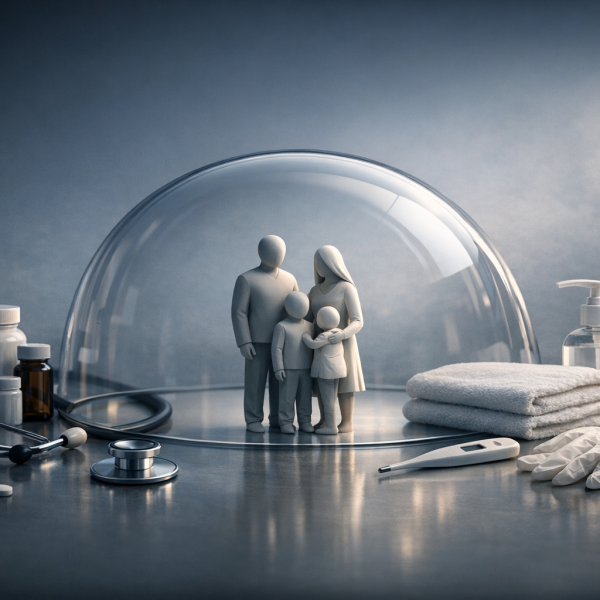
How to reduce everyday risks with Health protection
Health protection means the practical steps used to prevent disease, reduce environmental risks, protect personal data, and help people make safer choices. For families, caregivers, and small workplace managers, it includes infection control, safe product use, reliable guidance, and health information protection.
Reliable health protection information should come from qualified public health bodies, licensed clinicians, or regulated product labels. The World Health Organization estimates that immunization prevents 3.5 to 5 million deaths every year, which shows why prevention guidance can have measurable public health value source.
What does Health protection include at home and in public?
Health protection includes infection prevention, vaccination, food safety, clean water, air quality, oral hygiene, emergency planning, and the safe handling of medical information. It is broader than treatment because it focuses on reducing risk before illness or harm occurs.
At home, the most defensible starting points are hand hygiene, staying current with recommended vaccines, storing medicines safely, and cleaning high-touch surfaces when someone is ill. The CDC recommends washing hands with soap and water for at least 20 seconds, especially before eating and after using the bathroom source.
In public settings, protection depends on clear policies and credible alerts. Schools, care homes, clinics, and food businesses should use local public health notices rather than social media posts when deciding how to respond to outbreaks, heat alerts, or contaminated food warnings.
How should you protect health information safely?
health information protection is the practice of keeping medical records, test results, prescriptions, insurance details, and appointment data private, accurate, and available only to people who need them. This matters because health data can expose diagnoses, medications, family history, and financial details.
For individuals, the safest habits are simple. Use strong unique passwords for patient portals, turn on two-factor authentication, avoid sending medical documents over unsecured public Wi-Fi, and ask clinics how they verify identity before releasing records.
For caregivers, write down who has permission to receive updates and keep copies of power of attorney or consent forms where they can be found quickly. In the United States, the HIPAA Privacy Rule generally gives people the right to inspect or obtain a copy of their health records, usually within 30 days of a request, according to the U.S. Department of Health and Human Services source.
If you manage a small office or community group, limit access to health records to named staff, keep paper forms in locked storage, and delete old digital files using secure methods. A privacy breach is not only a legal problem, it can damage trust and delay care when people become reluctant to share accurate information.
Which products and official sources support prevention?
Everyday products can support prevention when they are used as directed, but they should not replace professional advice. For example, fluoride toothpaste, dental floss, and antiseptic mouthwash can support oral hygiene, while vaccines, prescribed medicines, and medical devices should be used according to clinician guidance.
People often search for oral care products using several spellings, including crest pro health multi protection mouthwash, crest pro health multi-protection mouthwash, and crest pro-health multi-protection mouthwash. When comparing mouthwash products, read the active ingredients, age guidance, warnings, and whether the label claims help with plaque, gingivitis, enamel strength, or breath freshness.
Mouthwash can be useful, but it is not a substitute for brushing twice daily, cleaning between teeth, and seeing a dental professional when gums bleed or pain persists. The American Dental Association states that interdental cleaning helps remove debris and plaque from areas a toothbrush cannot reach, which supports gum health when done correctly.
Official public health sources also matter. The Hong Kong centre for health protection publishes disease surveillance and infection control updates. People searching for health protection agency uk should know that the former UK Health Protection Agency was replaced by newer UK public health structures, so current guidance should come from the UK Health Security Agency or the relevant national health authority. In U.S. spelling, center for health protection may refer to different organizations, so verify the website domain, publication date, and named medical reviewers before acting on advice.
Practical checklist for safer daily decisions
Use a short checklist when deciding whether guidance or a product is trustworthy. Check who published it, what evidence is cited, when it was updated, and whether it matches advice from recognized public health agencies or licensed clinicians.
For infection prevention, keep sick children home when they have fever or vomiting, ventilate rooms when possible, and follow local isolation or testing guidance during outbreaks. For food safety, refrigerate perishable foods promptly and avoid cross-contamination between raw meat and ready-to-eat foods.
For privacy, store medical paperwork separately from general household papers and avoid posting identifiable health updates about relatives without permission. For product safety, follow label instructions exactly, especially for children, pregnancy, allergies, and medication interactions.
If advice online sounds extreme, promises a cure, or urges you to ignore qualified clinicians, treat it as a warning sign. Good prevention guidance explains limits, identifies who it applies to, and points readers to emergency care when symptoms are serious.
Conclusion
Health protection works best when prevention habits, privacy safeguards, reliable sources, and safe product choices are used together. Small actions such as washing hands correctly, checking official guidance, securing medical records, and reading product labels can reduce avoidable risk.
If you are making decisions for a family, workplace, or care setting, start with one high-impact improvement this week. Choose a trusted public health source, review your privacy habits, and ask a qualified professional when symptoms, medicines, or risks are unclear.